


Medical Specialties
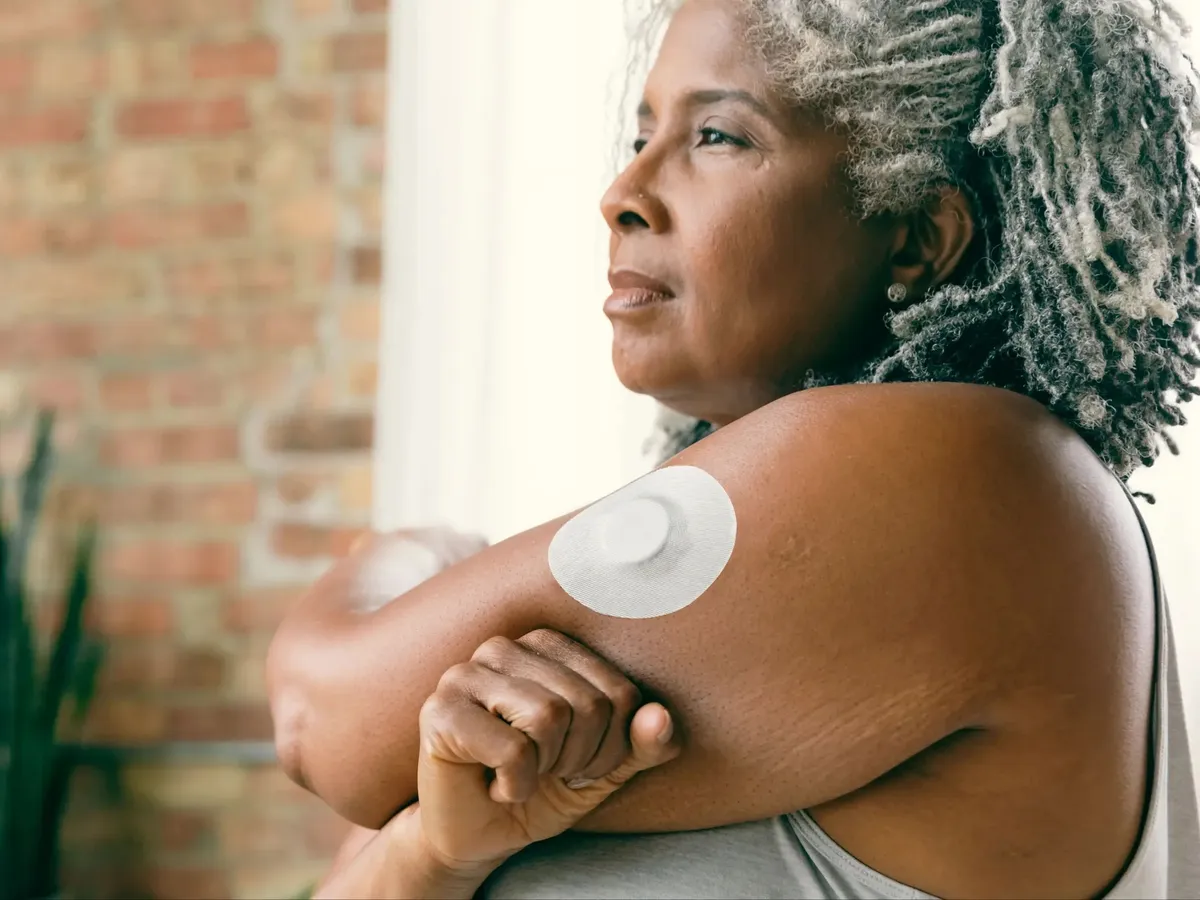
For people managing joint problems, the plan has to fit ordinary tasks at home and work.
PATHS helps healthcare organizations turn clinical expertise into actionable patient journeys, giving patients and caregivers clear guidance while providing care teams with visibility into engagement, understanding, and progress.
For people managing joint problems, the plan has to fit ordinary tasks at home and work. Understanding the purpose of preparation and rehabilitation is one part of staying involved in care.
53.2M1
U.S. adults estimated to have diagnosed arthritis, 2019–2021
CDC reports that an estimated 53.2 million U.S. adults had diagnosed arthritis during 2019–2021. Arthritis includes many conditions; people may also need help understanding which diagnosis they have and what their individual plan involves.1
When medications, activity changes and walking supports no longer help enough, some people with hip arthritis consider total hip replacement. AAOS, citing the Agency for Healthcare Research and Quality, reports more than 450,000 total hip replacements each year in the U.S. AHRQ's patient booklet notes that preparing for surgery can be overwhelming and that the surgery team creates a recovery program for each person, so every operation brings preparation, questions and a recovery plan to explain and review.2,3
Preoperative education is now part of the consent process, but a Cochrane review of 18 trials (1,463 participants) found low-quality evidence that it may not improve pain, function or anxiety after hip or knee replacement more than usual care. The authors suggest education matched to a person's physical, psychological and social needs may help some people, such as those with anxiety or unrealistic expectations.4
A 2023 review of 48 randomized trials (3,570 participants) found moderate-certainty evidence that prehabilitation improved function and strength before knee replacement, and quality of life and hip muscle strength before hip replacement, compared with usual care. Most evidence after surgery was low certainty, limited by risk of bias and differences between programs. These findings support clinician-directed preparation, not a promise of a particular recovery. The trials did not evaluate PATHS. A Path could organize education and agreed exercises around the surgical team's plan.5
Healthcare teams have a critical responsibility to educate and prepare patients for that journey. But once patients leave the clinical setting, how do we know they're ready?
Do they understand their care plan? Can they apply what they've learned? Are they following through? Where do they need additional support?
Preparing patients for the journey is essential. Knowing how they're managing it creates the opportunity to improve care.
Education and knowledge
Explain the joint or musculoskeletal condition and the care options selected by the clinical team.
Tasks, decisions, follow-through
Help patients prepare for rehabilitation conversations and work through team-selected education.
Medications, appointments, self-care
Connect guidance about the agreed recovery plan, daily routines and appointments.
Assessments and engagement evidence
Check understanding of the plan and show where patients need additional guidance.
Follow Theo through an illustrative seven-Step Path as he prepares for hip replacement surgery. A hospital could use this structure to organize the pre-surgery teaching its orthopedic team and physical therapists select, from prehab exercises to setting up home for recovery.
Preparing for Hip Replacement Surgery Path
Illustrative person (AI-generated). Illustrative educational Path. Completion does not establish a clinical outcome.
What a total hip replacement involves: the worn ball and socket of Theo’s hip are replaced with implant parts.
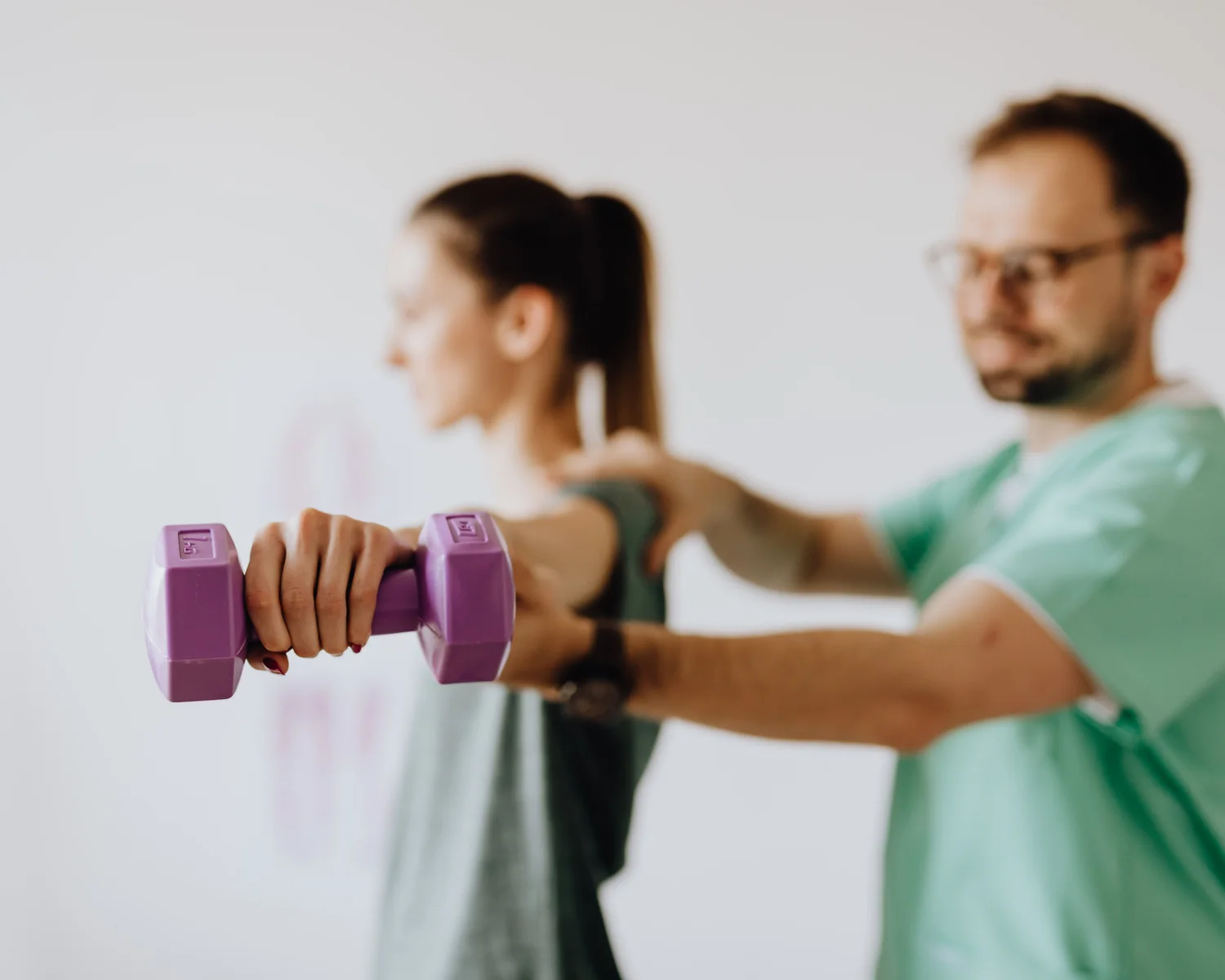
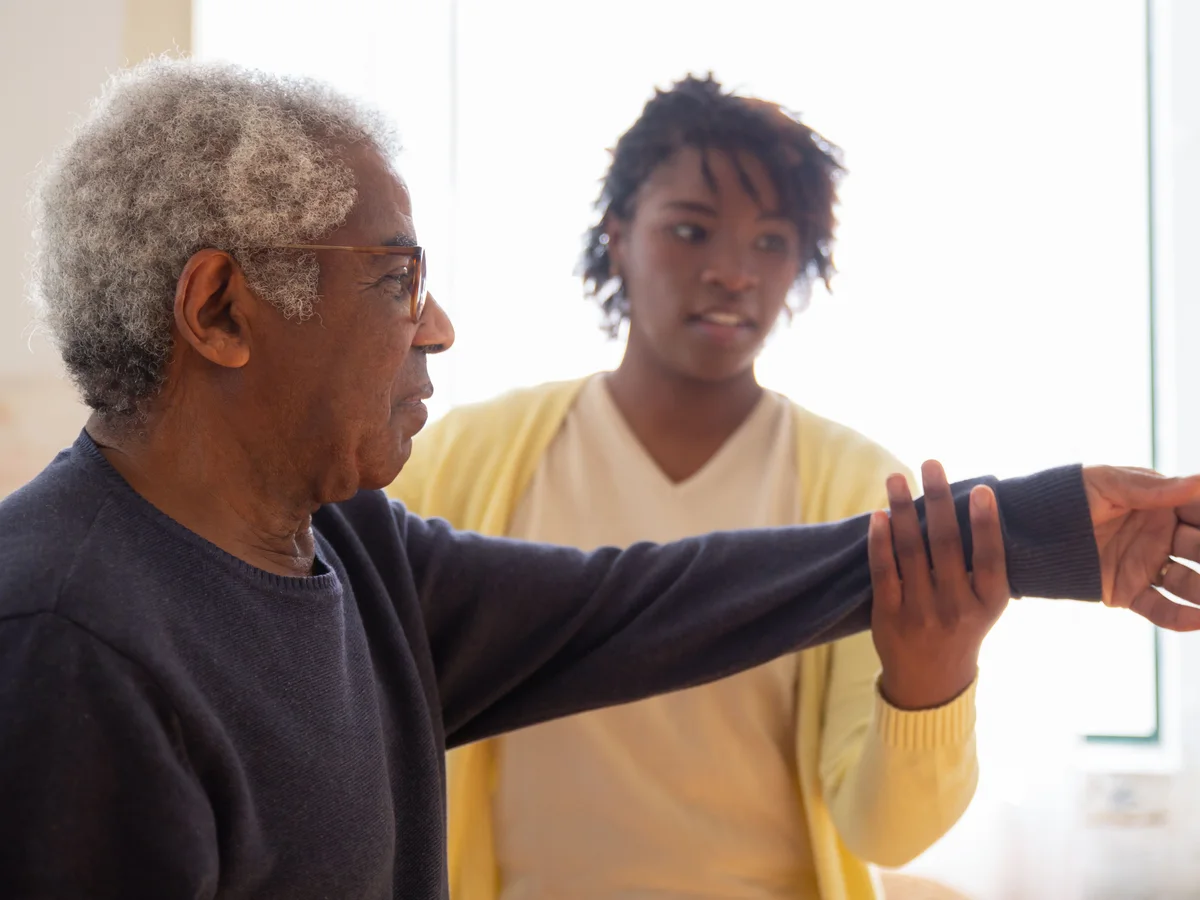
Revisit the exercises his physical therapist recommends before surgery, including upper body strength for using a walker.
A picture guide to setting up his home for recovery: a firm chair, a raised toilet seat and clear walkways.
A plan for fewer trips on the stairs, help at home and his dog’s walks and feeding while he recovers.
Practice any movement precautions his surgeon gives him for sitting, bending and sleeping. They vary with the surgical approach.
Theo writes down questions for his surgeon and physical therapist, like how long he will need a walker.
What to expect after surgery: a walking aid at first, rehab exercises and a gradual return to walks, as his team advises.
Assign a value to the Preparing for Hip Replacement Surgery Path and see the results.
How many times your team already does this workflow each year.
65.5staff hours saved per year
$2,291estimated value per year
Change the assumptions above to see your estimate of time and money saved.
CREATE
Orthopedic nurses and physical therapists turn the pre-surgery teaching they repeat with every hip replacement patient into a structured Path and assign it a value of 21 minutes of staff education time saved per patient.
ENGAGE
Each year, 187 patients like Theo prepare for hip replacement surgery with the Preparing for Hip Replacement Surgery Path, saving 21 minutes of education time each.
KNOW
That adds up to 3,927 minutes (65.5 hours) of staff time, worth an estimated $2,291 a year at $35.00 an hour.
IMPROVE
Engagement, knowledge checks and questions show where the pre-surgery guidance was clear or confusing, so the care team can refine it for the next patient.
Every Orthopedic & Musculoskeletal Care Journey Creates an Opportunity to Improve the Next.
Estimates are illustrative and use the assumptions above. They are not measured results.
Theo's care doesn't stop at one Path. As he prepares for his hip replacement, the health system provides a Path for each part of his care: getting ready for surgery, exercises before and after, setting up his home, his hospital stay, and rehabilitation. Each Path Theo completes also shows his care team what he engaged with, what he understood and what he still had questions about.
Theo practices the exercises his physical therapist recommends before surgery. Knowledge checks show the team which parts of the plan need clearer teaching.
Theo gets his home ready for recovery, from stairs to his dog's routine. The questions patients ask show the team where the guidance can be clearer.
Theo knows what to expect after surgery as he works back toward walks with his dog. That helps the team adjust his rehab around what matters to him.
The more the health system knows about each patient's experience and journey, the better it can make its workflows. What Theo and every other patient engage with, understand and ask about becomes health system intelligence: the team learns from every patient and refines each Path, so the next patient's experience is better. Clearer Paths mean fewer repeat calls and less time re-teaching the same education, and that saves time and money across the health system.
Medical Specialties

Cardiovascular
Neurosciences

Neurosciences

Cancer
Neurosciences
1–6 of 25
Improving orthopedic and musculoskeletal care doesn't require changing every workflow at once.
Start with a patient journey that matters to your organization. Build a structured approach, understand how patients and caregivers engage, and use what you learn to improve the experience.