


Medical Specialties
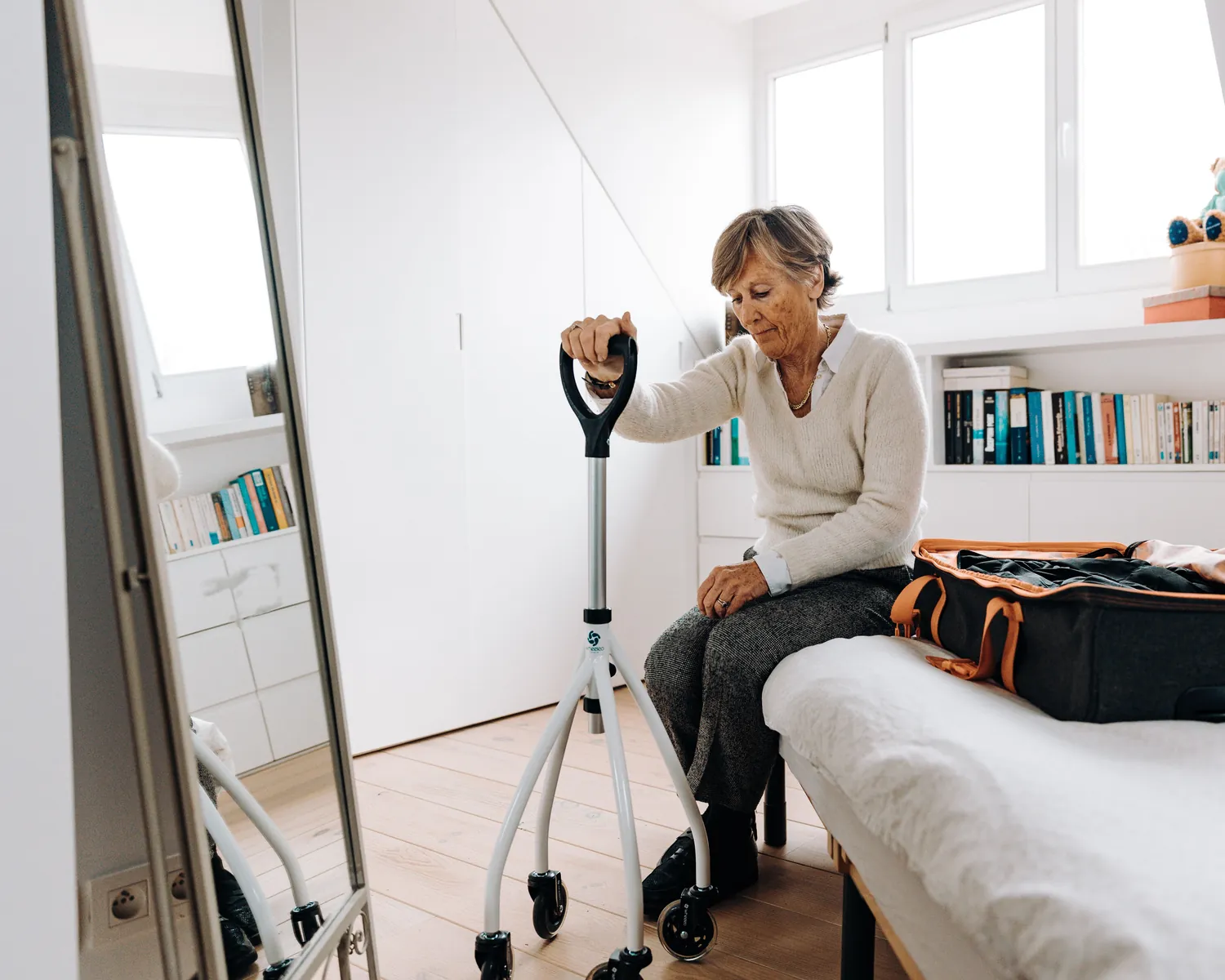
After discharge, patients and caregivers take on new tasks while recovering from surgery.
PATHS helps healthcare organizations turn clinical expertise into actionable patient journeys, giving patients and caregivers clear guidance while providing care teams with visibility into engagement, understanding, and progress.
After discharge, patients and caregivers take on new tasks while recovering from surgery. Questions about medicines, wounds and symptoms need a clear route back to the care team.
5.7%2
Unplanned 30-day readmissions after operations in a 346-hospital U.S. cohort using 2012 data
19.5%2
Of those unplanned readmissions were attributed to surgical site infection
Recovery continues after discharge, when new complications can emerge at home. A U.S. cohort covering 498,875 operations in 2012 found a 5.7% unplanned readmission rate within 30 days. Rates differed substantially by procedure.2
Follow-up includes reviewing symptoms and wound concerns and deciding when clinical assessment is needed. CDC's infection surveillance protocol calls for post-discharge surveillance for surgical site infections, using clinical records and patient or surgeon follow-up. This is continuing clinical work, not an automated message alone.3
Surgical site infection accounted for 19.5% of unplanned readmissions in the U.S. cohort. Bleeding, obstruction and other problems also contributed. Most readmissions involved new post-discharge complications; education should help patients understand their team's instructions for getting help.2
A Canadian trial of staffed virtual monitoring improved medication-error detection and correction and reduced pain. It did not significantly improve days alive at home, its primary outcome; reduced acute hospital care was uncertain. These findings support careful clinical follow-up, without establishing PATHS outcomes.1
Healthcare teams have a critical responsibility to educate and prepare patients for that journey. But once patients leave the clinical setting, how do we know they're ready?
Do they understand their care plan? Can they apply what they've learned? Are they following through? Where do they need additional support?
Preparing patients for the journey is essential. Knowing how they're managing it creates the opportunity to improve care.
Education and knowledge
Help patients and caregivers understand the discharge instructions their surgical team provides.
Tasks, decisions, follow-through
Guide preparation for follow-up and review of the team's instructions for getting help during recovery.
Medications, appointments, self-care
Organize education about the agreed medicines, wound-care instructions and appointments.
Assessments and engagement evidence
Check understanding of the discharge plan and show where additional explanation is needed.
Going home after knee replacement surgery is our example. Postoperative care spans preparing for surgery, the hospital or same-day stay, the first weeks at home, follow-up visits, and returning to everyday activities. Omar is going home with his partner's help, and his recovery leads to more than one Path, starting with a Knee Replacement: Your First 30 Days at Home Path. A hospital could use this structure to organize education selected by its care team, help people prepare questions, and connect them with follow-up and support. This journey is illustrative.
Knee Replacement: Your First 30 Days at Home Path
Illustrative person (AI-generated). Illustrative educational Path. Completion does not establish a clinical outcome.
His team’s written plan for the first 30 days: his medicines, how much weight to put on his leg, using his walker, his appointments and who to call.
The exercises his physical therapist taught him to bend, straighten and strengthen his knee, done each day as his therapist instructs.
A picture guide to keeping his incision clean and dry as his surgeon instructs, and which changes to report, such as more redness, swelling or drainage.
His team’s pain plan, including ice and raising his leg as instructed, plus keeping pain medicines stored safely out of reach and disposing of leftovers safely.
An interactive checklist for his days at home: move often, use any stockings or clot-prevention medicine his surgeon prescribes, and keep floors clear of rugs and cords.
Practice which signs mean calling his surgical team, such as fever, a red or draining incision, or calf pain or swelling, and which mean calling 911 right away, such as chest pain or trouble breathing.
His surgeon’s follow-up and physical therapy appointment details, and the team’s number for questions before then.
Assign a value to the Knee Replacement: Your First 30 Days at Home Path and see the results.
How many times your team already does this workflow each year.
65.5staff hours saved per year
$2,291estimated value per year
Change the assumptions above to see your estimate of time and money saved.
CREATE
Orthopedic surgeons, nurses and physical therapists turn their discharge teaching into a structured Path and assign it a value of 21 minutes of staff education time saved per patient.
ENGAGE
Each year, 187 patients like Omar go home after knee replacement surgery with the Knee Replacement: Your First 30 Days at Home Path, saving 21 minutes of education time each.
KNOW
That adds up to 3,927 minutes (65.5 hours) of staff time, worth an estimated $2,291 a year at $35.00 an hour.
IMPROVE
Engagement, knowledge checks and questions show where discharge guidance was clear or confusing, so the care team can refine it for the next patient.
Every Postoperative Care & Recovery Journey Creates an Opportunity to Improve the Next.
Estimates are illustrative and use the assumptions above. They are not measured results.
Omar's care doesn't stop at one Path. After his knee replacement, the hospital provides a Path for each part of his recovery: his first 30 days at home, his medicines, wound care, his exercises, when to contact the team, and his follow-up visit. Each Path Omar completes also shows his care team what he engaged with, what he understood and what he still had questions about.
Omar can revisit the exercises his physical therapist taught whenever he needs them. The steps patients revisit most show the team where the teaching can be clearer.
Omar learns which warning signs to report and how to reach his care team. The questions patients ask show which instructions need work.
Omar arrives at his follow-up visit prepared. Knowing what patients want to discuss helps the team plan a visit focused on recovery.
The more the health system knows about each patient's experience and journey, the better it can make its workflows. What Omar and every other patient engage with, understand and ask about becomes health system intelligence: the team learns from every patient and refines each Path, so the next patient's experience is better. Clearer Paths mean fewer repeat calls and less time re-teaching the same education, and that saves time and money across the health system.
Medical Specialties
Cardiovascular
Neurosciences
Neurosciences
Cancer
Neurosciences
1–6 of 26
Improving postoperative care doesn't require changing every workflow at once.
Start with a patient journey that matters to your organization. Build a structured approach, understand how patients and caregivers engage, and use what you learn to improve the experience.